Jungfrau Railway’s deadly past back in focus
A new travel ranking has renewed attention on Switzerland’s Jungfrau Railway, whose 16-year construction killed 30 workers before the line opened to Europe’s highest railway station in 1912.
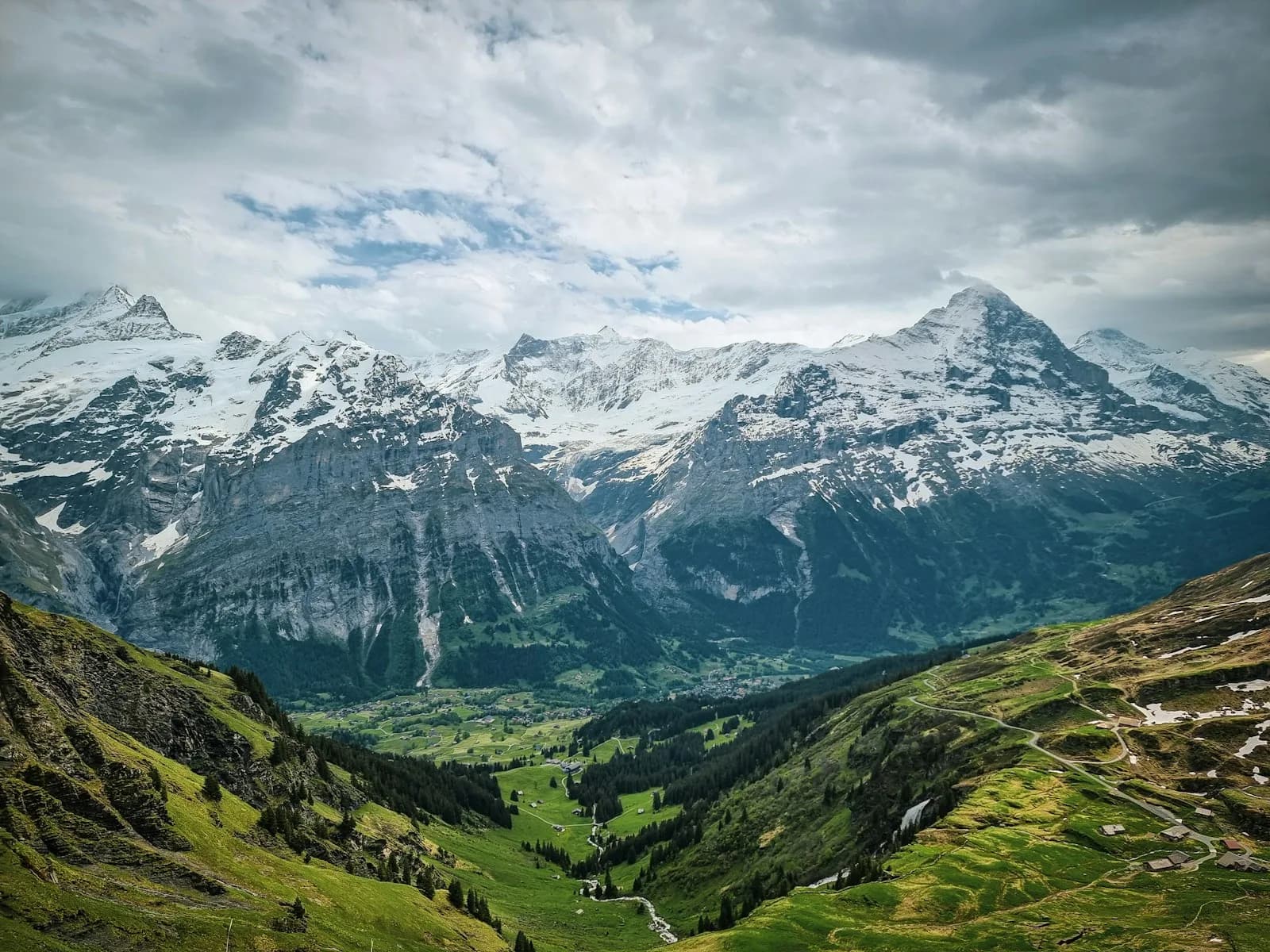
Switzerland’s Jungfrau Railway is back in the travel spotlight on October 26, 2026, after a newly published global ranking highlighted the Alpine line as one of the world’s best train journeys and renewed attention on the human cost of building it.
The renewed interest follows Parade’s October 26 report on the railway after Condé Nast Traveler included the route in its 2026 Readers’ Choice Awards list of the best train trips in the world. The line climbs to Jungfraujoch, home to Europe’s highest railway station at 3,454 metres above sea level.
Historic route, modern recognition
The Jungfrau Railway opened on August 1, 1912, after 16 years of construction through high Alpine terrain. Official railway history says the project was marked by repeated disruption, including six strikes, management changes and fatal blasting accidents.
According to Jungfrau’s own historical record, 30 construction workers died during the build, most of them in blasting incidents. The Swiss National Library says work began on July 27, 1896, and that many of the labourers were Italian guest workers who used pickaxes and explosives to drive the tunnel route toward Jungfraujoch.
Europe’s highest rail station
The station at Jungfraujoch remains the highest railway station in Europe. More than half of the roughly nine-kilometre line was cut through rock by hand, according to Deutsche Welle’s background report on the railway’s construction.
Today, the route is known for carrying passengers through the Eiger and Mönch mountains to a high-altitude complex above the Aletsch Glacier. Jungfrau’s visitor site also notes that the railway’s history is presented on site through the Alpine Sensation exhibition, which includes 30 memorial tablets for workers who died building the line.
The latest travel accolade does not change the railway’s long-established status, but it has pushed its construction story back into current European travel coverage, linking a celebrated rail experience with the dangers behind one of the Alps’ most ambitious engineering projects.
Was this travel report helpful for your journey?
Let our editorial desk know how this coverage assisted your plans.