Best Time to Visit Budapest: A Season-by-Season Guide
Budapest works year-round, but the best season depends on whether you want outdoor sightseeing, festivals, thermal baths, Danube views or festive winter markets.
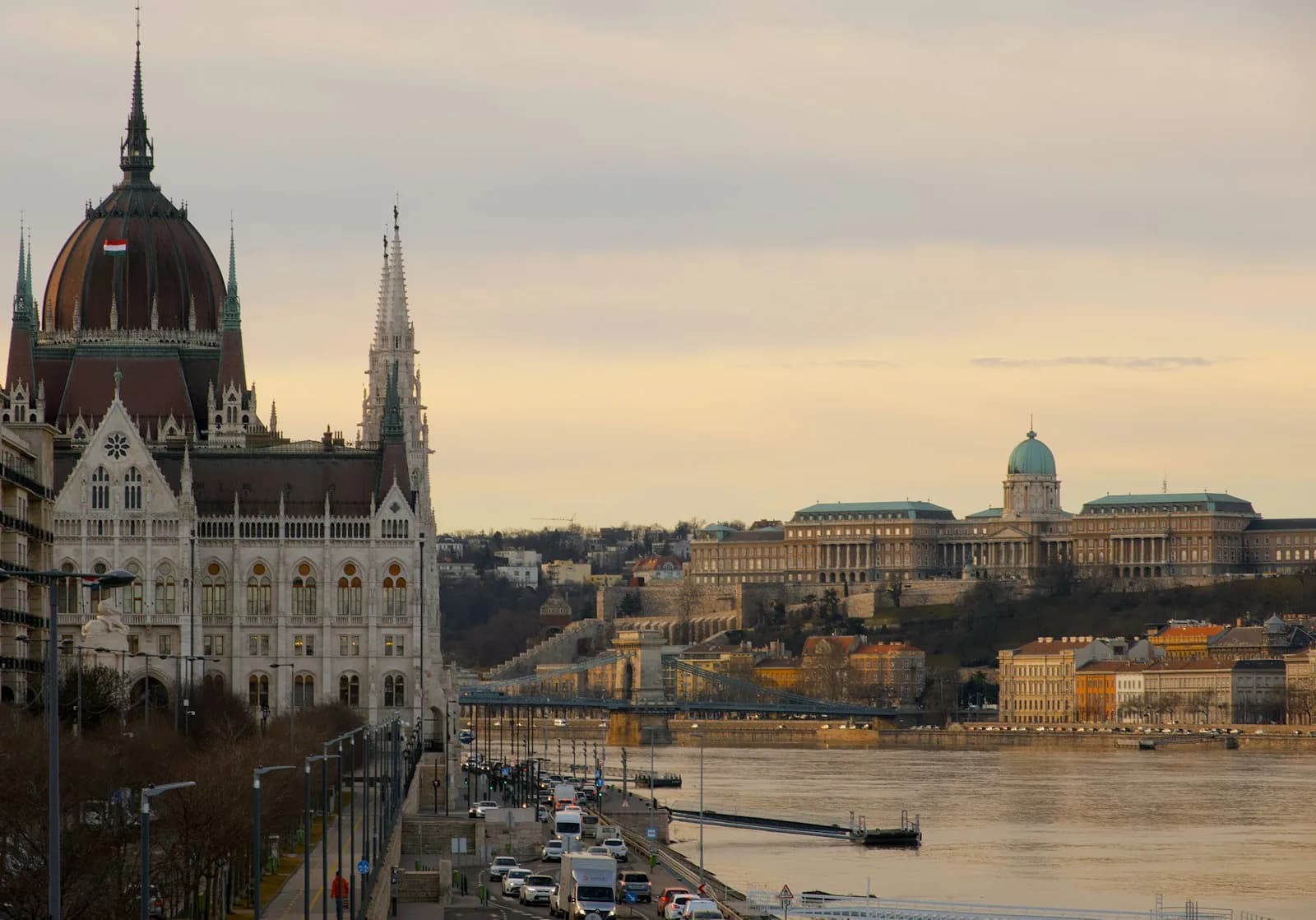
Budapest is one of those cities that changes personality with the calendar. On a bright spring morning, the promenades along the Danube feel made for long walks. In high summer, riverside terraces, open-air events and late sunsets pull the city outdoors. Autumn brings wine festivals, golden parks and cooler sightseeing weather, while winter turns the thermal baths and Christmas markets into headline attractions.
For most travelers, the best time to visit Budapest is late spring or early autumn, when the weather is usually more comfortable for exploring Buda Castle, Andrássy Avenue, the Parliament area and the city’s bridges on foot. But there is no single perfect month for everyone. Budapest has a true four-season climate, with January typically the coldest month and July the warmest, and summer also tends to be the wettest period of the year.
This guide breaks down what each season is really like in Budapest, what stands out at that time of year, and who will enjoy it most.
Spring in Budapest: best for classic sightseeing and city walks
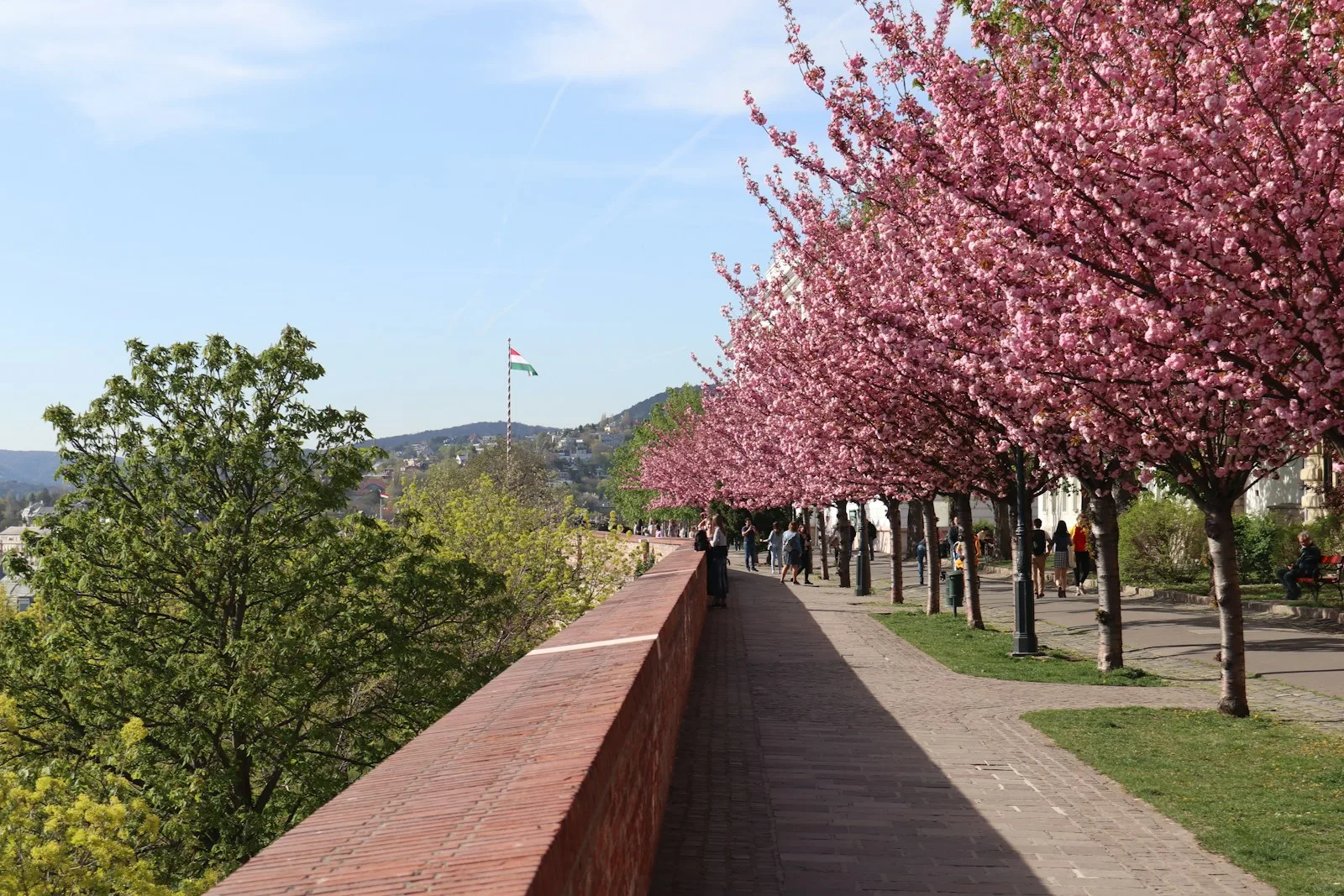
Spring is one of the easiest times to love Budapest. As the weather warms, the city’s outdoor side comes back to life: City Park becomes more inviting, Margaret Island starts to green up, and walks up around Gellért Hill or the Castle District feel far more comfortable than in winter or midsummer heat.
National tourism guidance for Hungary notes that spring is especially good for sightseeing, with fewer crowds than the high season and milder conditions for exploring major landmarks. For Budapest in particular, this is the season when long walks pay off: crossing the Széchenyi Chain Bridge area, wandering around St. Stephen’s Basilica, and spending time in the Buda hills all feel more rewarding when the air is cool rather than hot.
Temperatures can still be changeable, especially in March, so layers matter. Hungary’s spring weather can swing quickly, and rain is common enough that a light waterproof layer is worth packing. By May, however, the city usually feels much more settled and outdoor plans become easier to rely on.
Spring is also strong for culture. The Budapest Spring Festival is one of the city’s flagship arts events, bringing concerts, exhibitions and performances across multiple venues in Budapest. If you want your trip to mix architecture, museum time and evening performances, this is a particularly good season to aim for.
Choose spring if you want Budapest at its most balanced: attractive weather, walkable days, and a city atmosphere that feels lively without necessarily being at peak summer intensity.
Summer in Budapest: best for festivals, long days and Danube evenings
Summer is Budapest’s most energetic season. The city stretches into the evening, the embankments stay busy, rooftop and terrace culture is in full swing, and the Danube becomes even more central to the experience. If your ideal trip means outdoor dining, boat views and staying out late, this is when Budapest delivers best.
It is also the city’s festival season. Sziget, one of Europe’s best-known music festivals, takes place in Budapest on Óbuda Island and draws an international crowd. Even travelers who are not coming specifically for the festival will notice how much summer in Budapest is shaped by major events, riverside activity and a generally more crowded, high-season feel.
There are clear trade-offs. Budapest’s climate data shows July as the warmest month, and summer can feel hot in the dense inner districts of Pest, especially around major sightseeing corridors with limited shade. The city’s climate records also identify July as the wettest month on average, so summer thunderstorms are part of the picture too.
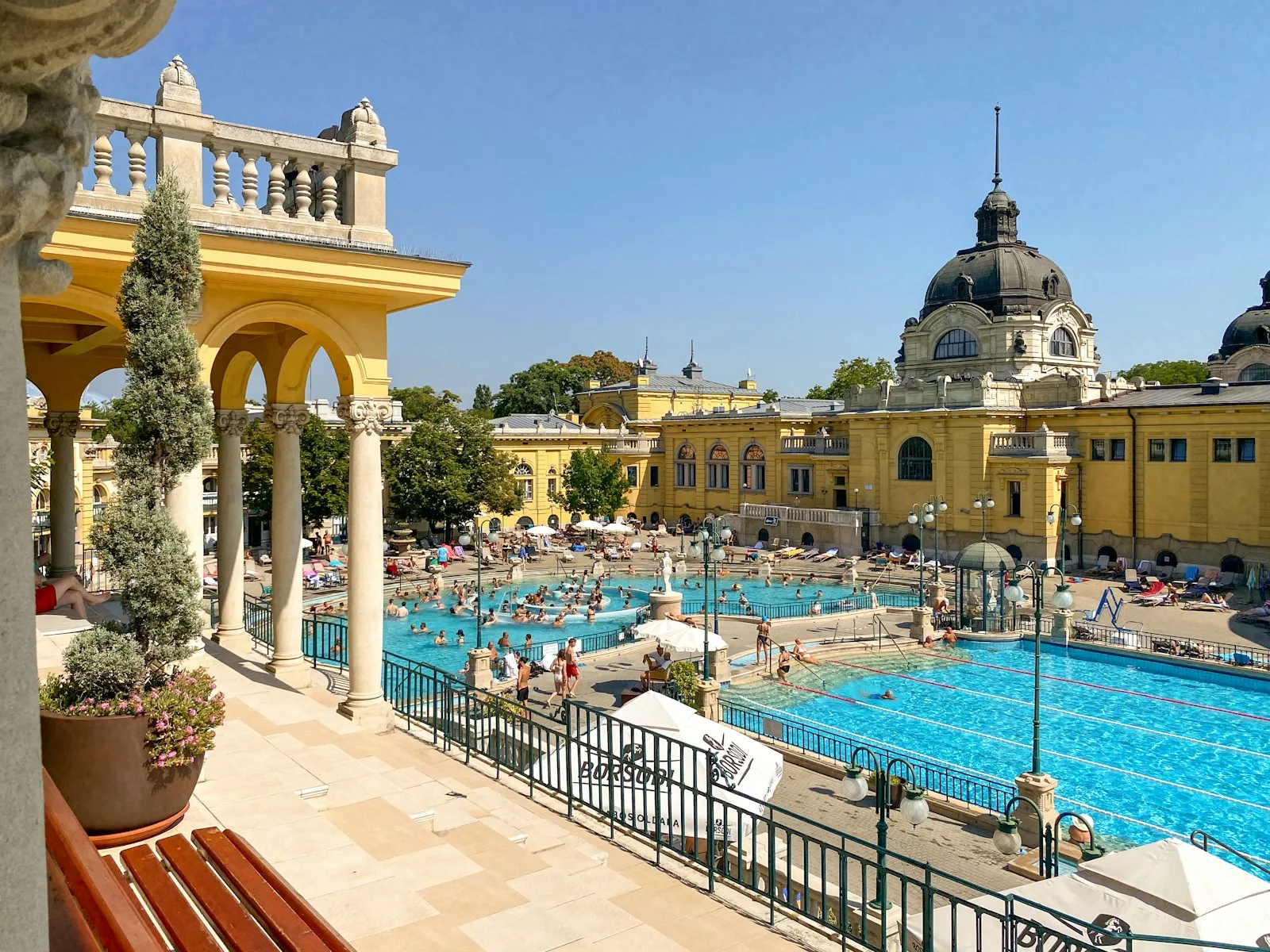
The upside is that Budapest has built-in ways to handle the heat. The city’s bath culture is a year-round draw, but summer is when open-air bathing becomes especially appealing. Széchenyi Thermal Bath in City Park is one of the city’s signature warm-weather experiences, combining grand architecture with outdoor pools that fit naturally into a day of sightseeing around Heroes’ Square and the park.
Summer suits travelers who do not mind higher demand and fuller streets in exchange for maximum atmosphere. If you want Budapest at its busiest, brightest and most outward-looking, this is the season.
Autumn in Budapest: best for wine, food and comfortable temperatures
For many visitors, autumn is Budapest’s sweet spot. The city is still active, but the intensity of midsummer starts to ease. Days are often better for walking, hills and viewpoints become more comfortable again, and the city’s food-and-wine calendar gives the season a distinctly local character.
Budapest’s official tourism guidance highlights autumn as a season of wine tastings, harvest events, designer markets and cultural programs. That description fits the city well. Instead of summer’s festival sprawl, autumn feels more rooted in Budapest’s urban rhythm: café culture returns to center stage, castle-side walks are easier, and the city’s indoor and outdoor attractions pair more naturally in the same day.
A major seasonal marker is the Budapest Wine Festival at Buda Castle, a long-running event set against one of the city’s most dramatic backdrops. It is an especially Budapest-specific reason to visit in September, combining Hungarian wine culture with views over the Danube and the Pest skyline.
Autumn color also flatters the city. Margaret Island, the leafy parts of Buda, and the avenues around City Park all become more photogenic as the leaves turn. This is a strong season for travelers who want Budapest to feel elegant rather than hectic.
If you are choosing between spring and autumn, the difference often comes down to priorities. Spring feels fresher and more blossom-filled; autumn feels richer, moodier and more food-focused. Both are excellent, but autumn may edge ahead for visitors who want comfortable sightseeing weather with fewer summer pressures.
Winter in Budapest: best for thermal baths and Christmas atmosphere
Winter changes the pace of Budapest, but not necessarily for the worse. The days are shorter and colder, with average winter temperatures around freezing, yet the city has some of its most distinctive seasonal experiences at this time of year.
The biggest draw is the combination of festive lights and thermal water. Budapest’s tourism guidance points to winter Christmas fairs and the city’s thermal baths as standout reasons to visit in the colder months, and that feels exactly right. Stepping into a hot outdoor pool while cold air hangs over the city is one of Budapest’s most memorable winter experiences.
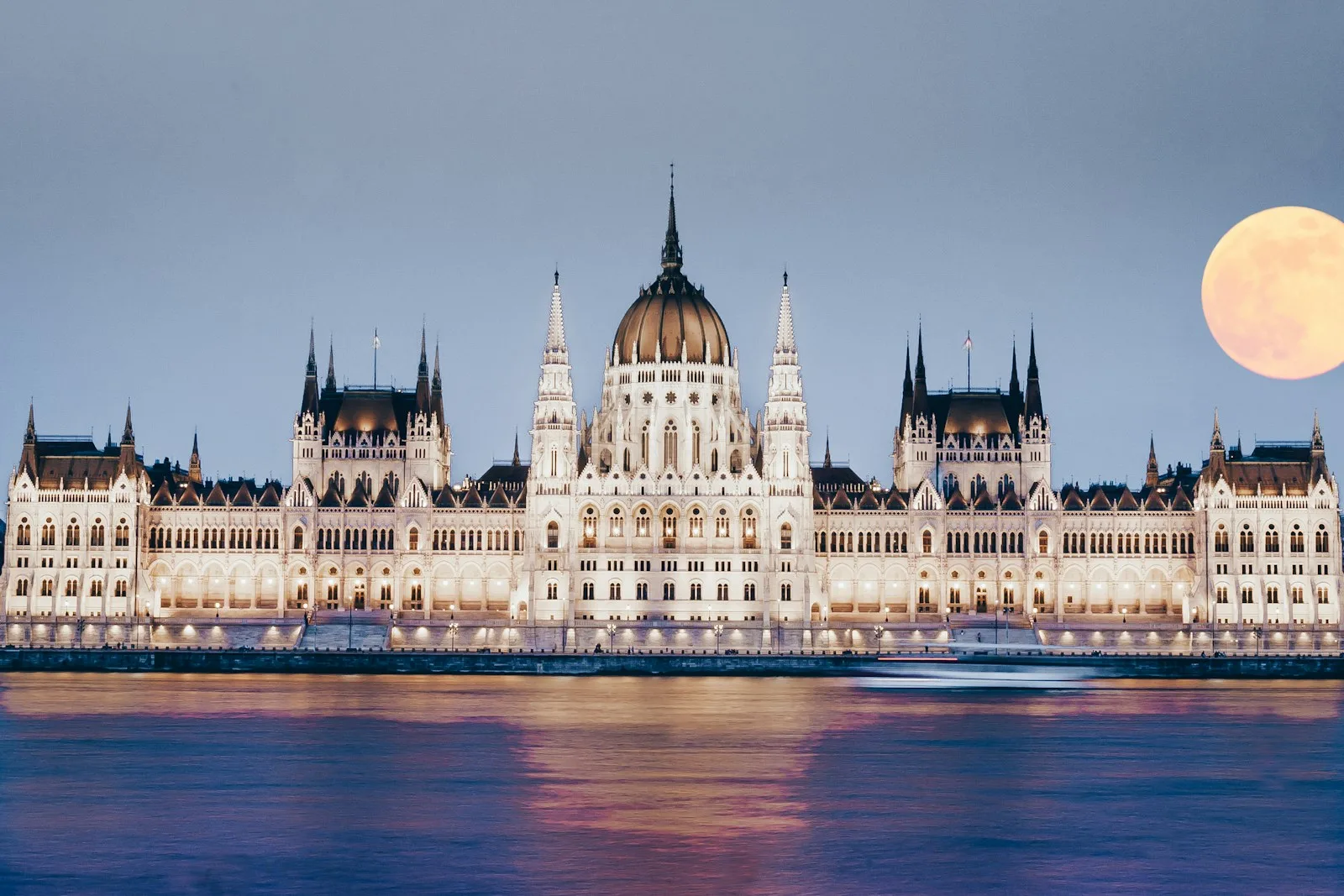
The best-known seasonal event is Advent Basilica on St. Stephen’s Square, beside St. Stephen’s Basilica. The official 2026 market runs from November 13, 2026, to January 1, 2027, making late November through December one of the clearest windows for a festive Budapest trip. The setting in the center of Pest makes it easy to pair with evening walks around the basilica, the fashion streets and the river.
Winter is also a practical choice for travelers who care less about long daylight hours and more about atmosphere. Museums, historic cafés, concert halls and bathhouses carry more of the itinerary. Snow is never something to count on, but when cold weather and lights line up, Budapest can look especially cinematic.
The compromises are straightforward: it is the least convenient season for long outdoor days, hill walks and panoramic viewpoints. But if your image of Budapest includes glowing streets, warm interiors and a soak in thermal water after dark, winter may be exactly the right time.
So when is the best time to visit Budapest?
If you want the broadest appeal, aim for late spring or early autumn. These seasons usually offer the best mix of comfortable weather, easier sightseeing and a strong local events calendar without the full pressure of midsummer crowds.
Choose spring for mild weather, greener parks, cultural events and classic sightseeing on foot.
Choose summer for festivals, long evenings, outdoor dining and Budapest at full volume.
Choose autumn for wine events, golden cityscapes and some of the most comfortable walking conditions of the year.
Choose winter for Christmas markets, thermal baths and a more atmospheric cold-weather city break.
In other words, the best time to visit Budapest depends on the Budapest you want. The city is not just passable year-round; it is genuinely different from season to season, and that is part of what makes returning such a good idea.
Was this travel report helpful for your journey?
Let our editorial desk know how this coverage assisted your plans.